Mastering the Tactical Systems of the Ultimate Turn Based Ninja RPG
Welcome to the comprehensive guide to the tactical systems of Tenno. As a 2D turn-based ninja and anime RPG, this game offers a deep, strategic experience where players build their own shinobi, master powerful elemental jutsu, collect gear, and engage in tactical battles. Whether you are fighting rogue forces in regular missions, challenging massive beasts in the Hunting House, or climbing the competitive ranks of the seasonal PvP arena, understanding the core mechanics is essential to forging your legacy.
Unlike a simple action game where success depends on fast reflexes, this turn-based RPG demands careful planning, resource management, and build optimization. It is not just a simple action game; instead, every decision you make—from the elements you choose to the gear you equip—directly impacts your performance on the battlefield.
The Core Pillars of a Turn Based Ninja RPG
To excel in this strategic environment, players must understand the core pillars that define the gameplay loop. These pillars combine character progression, tactical decision-making, and seasonal competition into a cohesive experience.
Buildcraft and Character Customization
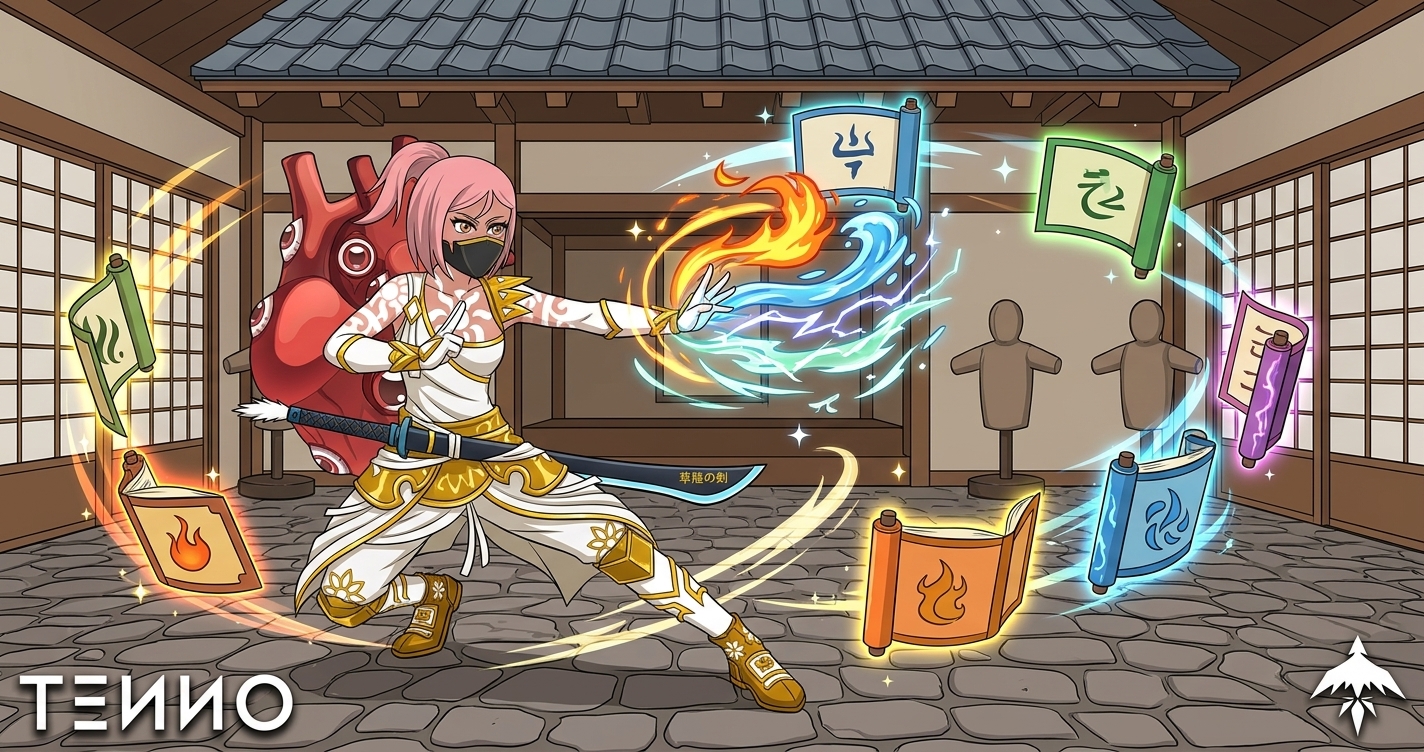
Your journey begins with creating your unique shinobi. Buildcraft is the foundation of your power. Players choose elemental paths, learn a vast library of jutsu, and equip various gear pieces. Customization is not just cosmetic; it allows you to shape your ninja's stats and playstyle. You can personalize your warrior with outfits, weapons, back items, hairstyles, faces, and details such as masks or tattoos.
Turn-Based Tactical Combat
Battles are decided by strategic timing, resource management, and status effects. Instead of real-time button mashing, players must manage their skillbar, monitor cooldowns, and budget their CP to execute powerful techniques. Every action must be calculated, as a single well-timed buff or debuff can completely swing the momentum of a fight.
Elemental Identity
The world is divided into five elemental villages: Fire, Water, Wind, Earth, and Thunder. Each village features its own training academy and exclusive jutsu. Your chosen element defines your tactical identity and dictates your primary combat style, pushing you toward specific build paths.
Seasonal Competition and Live Events
The game features recurring seasonal goals through the competitive Rumble PvP mode and the Tenno Pass. These systems offer players limited-edition rewards, exclusive cosmetics, and prestigious titles. Additionally, regular live events provide daily objectives and unique reward tracks.
Tactical Combat and Battle Mechanics
Combat in this Turn Based Ninja RPG is a tactical race where players must outsmart their opponents. Understanding how turns, resources, and status effects interact is the key to victory.
The Flow of Battle
Battles are structured around a dynamic turn system where each ninja races to fill their skillbar. Agility is a critical stat, as it helps characters act faster and take turns more frequently. During your turn, you can select from your equipped jutsu, provided you have enough CP to cover the cost and the skill is not on cooldown. Managing your CP economy is vital; running out of CP leaves you vulnerable and unable to perform your strongest techniques.
Buffs, Debuffs, and Status Effects
Status effects play a massive role in deciding the outcome of a battle. These are divided into positive effects (buffs) and negative effects (debuffs):
- Buffs: These are positive effects that strengthen your ninja. Examples include increased damage, protection, barriers, or agility. In Tenno, buffs stack with each other, allowing you to combine multiple positive effects to reach peak power.
- Debuffs: These are negative effects that weaken or control enemies. Examples include burn, poison, bleeding, stun, blind, injury, or cooldown increases. Unlike buffs, debuffs do not stack with each other. The duration and exact values of these effects depend entirely on the specific skill that applies them.
The Power of Purify and Protection
To counter debilitating debuffs, players can utilize the Purify mechanic. Purify gives your ninja a chance to remove negative effects before acting on their turn. This is an invaluable tool when facing opponents who rely heavily on damage-over-time effects like burn and poison, or control effects like stun and blind. Protection, on the other hand, helps mitigate incoming damage, acting as a shield against aggressive burst attacks.
Elemental Paths and Shinobi Customization
Choosing your elemental path is one of the most important decisions you will make. Each of the five elements offers a distinct playstyle and strategic advantage.
Wind Element
The Wind element is overseen by Wind Sensei Tara. It focuses on agility, speed, evasion, and swift cutting techniques. Wind builds excel at dodging enemy attacks and outmaneuvering opponents, allowing you to strike quickly and minimize incoming damage.
Fire Element
The Fire element is led by Fire Sensei Gyo. It is centered around raw damage, accuracy, offensive pressure, and scorching flames. Fire builds are designed to deliver devastating attacks that burn through enemy defenses, maintaining constant offensive pressure.
Thunder Element
The Thunder element is guided by Thunder Sensei Kira. It harnesses electrifying energy to focus on critical hits, super critical hits, and explosive burst damage. Thunder builds strike with lightning-fast reflexes, aiming to defeat opponents rapidly with massive, high-damage strikes.
Water Element
The Water element is directed by Water Sensei Omizu. It controls the flow of water to boost stamina, recovery, and utility. Water builds focus on CP economy, purification, and healing, allowing you to outlast your opponents through superior sustain and resource management.
Earth Element
The Earth element focuses on defense, protection, debuff resistance, and tank builds. Earth ninjas excel at absorbing damage, resisting negative status effects, and outlasting aggressive opponents through sheer durability.
Customizing Your Shinobi
Beyond elemental choices, players can customize their characters with six types of custom items: outfits, weapons, back items, hairstyles, faces, and details like masks or tattoos. These items allow you to stand out on the battlefield while complementing your chosen build.
Game Modes and Progression Paths
Tenno offers a wide variety of PvE and PvP modes to keep players engaged and progressing.
Regular and Daily Missions
Regular missions serve as the core PvE progression path, introducing players to NPCs, story arcs, and level-based battles. Early challenges include missions like Warming Up, Dog Rescue, Sensei's Clone, and Genin Test. Daily Missions are recurring challenges that encourage players to return daily, offering consistent rewards to help you progress every day.
Hunting House Boss Challenges
The Hunting House is the ultimate PvE destination for boss battles. Each elemental village features its own themed bosses, such as the Wind Chimera, Fire Chimera, Thunder Chimera, Water Chimera, and Earth Chimera. Defeating these powerful bosses yields high-value rewards and tests the limits of your tactical builds.
Rumble PvP and Tenno Pass
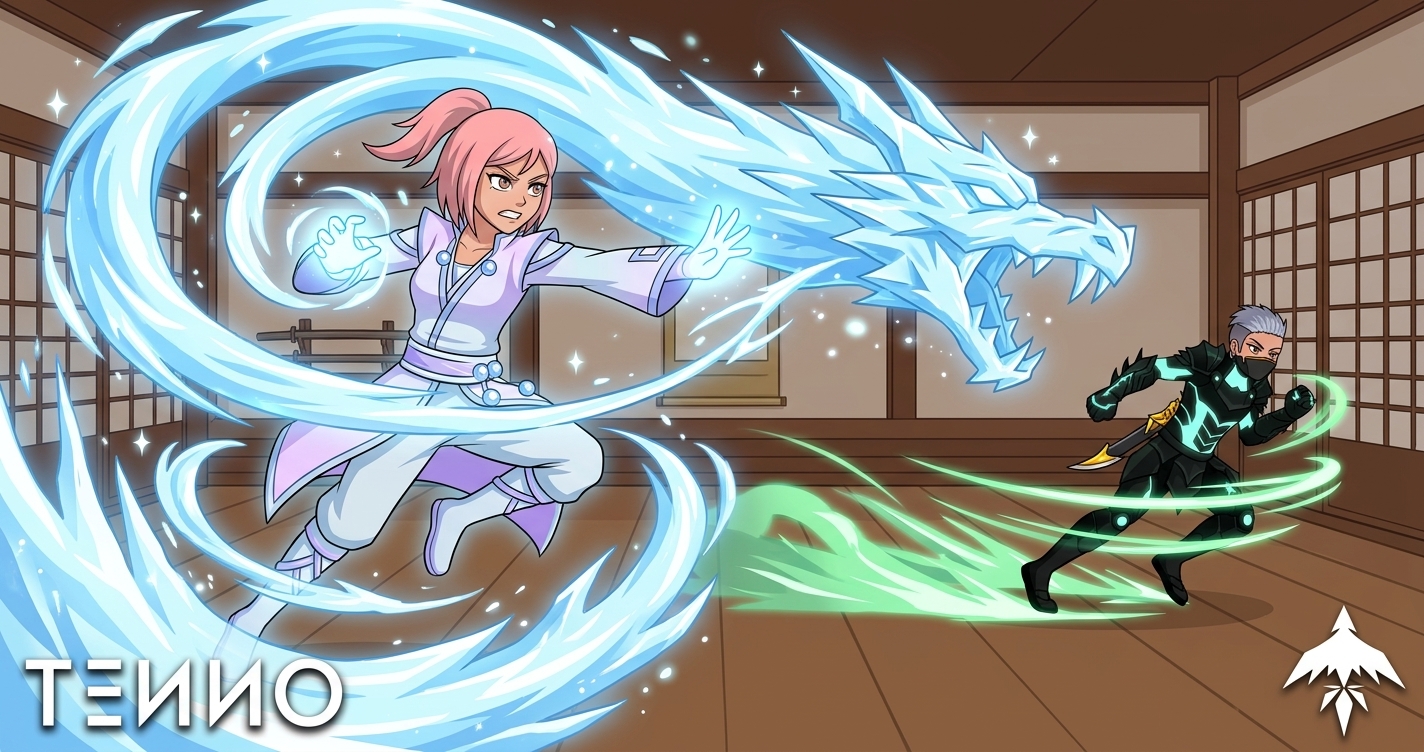
Rumble is the competitive PvP season mode where players battle other ninjas, climb the rankings, and earn limited-edition seasonal rewards. Players compete for prestigious titles and badges, including Rumble Challenger, Rumble Finalist, Rumble Runner Up, and Rumble Champion.
Complementing this is the Tenno Pass, a seasonal reward track with free and premium tiers. Progressing through the Tenno Pass unlocks limited-edition gear, cosmetics, materials, and exclusive jutsu.
Orochi's Lab and Upgrades
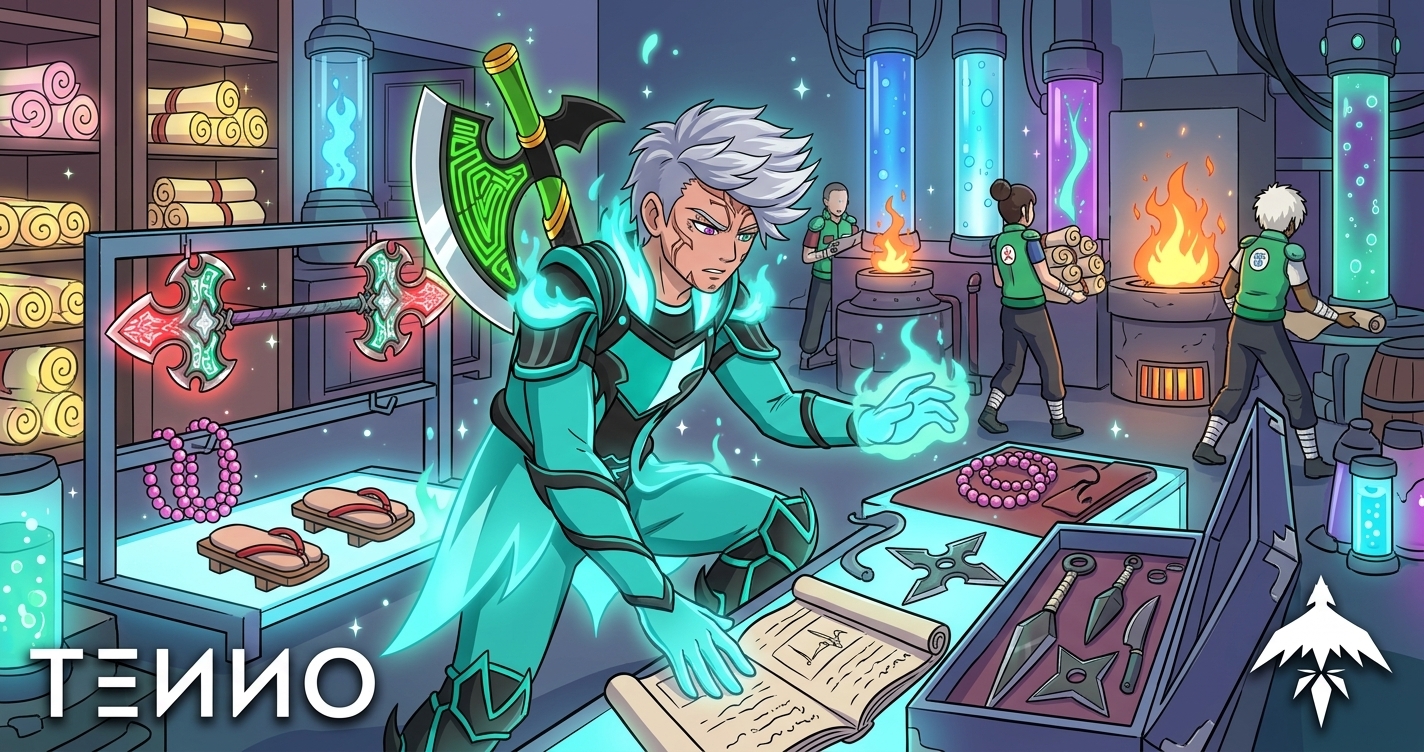
For long-term progression, Orochi's Lab allows players to upgrade selected jutsu and items. This feature lets you turn older seasonal or event rewards into stronger, advanced versions, ensuring your hard-earned gear remains viable as you face tougher challenges.
FAQ: Navigating the Turn Based Ninja RPG Experience
What makes Tenno a unique Turn Based Ninja RPG?
Tenno combines classic anime-inspired ninja adventures with deep, tactical turn-based combat. Instead of relying on fast reflexes, players must strategically manage their CP, time their jutsu cooldowns, and utilize elemental matchups to outsmart their opponents. With hundreds of jutsu, five elemental paths, and extensive character customization, it offers a highly personalized tactical experience.
How do buffs and debuffs work in combat?
Buffs are positive effects that strengthen your ninja. Buffs stack with each other, allowing you to combine multiple enhancements. Debuffs are negative effects that weaken or control enemies. Debuffs do not stack with each other. The duration and exact values of these effects depend on the specific skill that applies them.
What is the role of elements in character builds?
Each of the five elements supports a different tactical playstyle. Wind focuses on dodge and speed; Fire focuses on raw damage and burn; Thunder focuses on critical hits and burst damage; Water focuses on CP recovery and purification; and Earth focuses on defense and protection. Choosing an element shapes your ninja's academy, exclusive jutsu, and overall combat strategy.
How can I upgrade my older gear and jutsu?
You can use Orochi's Lab to upgrade selected limited-edition jutsu and gear into stronger, advanced versions. This system allows older seasonal or event rewards to remain powerful and relevant, giving players a clear path for long-term progression.
What is the difference between Rumble and the Tenno Pass?
Rumble is a competitive PvP season mode where you battle other players to climb rankings and earn exclusive seasonal badges and rewards. The Tenno Pass is a seasonal progression track where you unlock free and premium rewards, including gear, cosmetics, and jutsu, simply by playing the game and completing seasonal objectives.