Mastering the Mechanics of Combat: How Damage is Calculated and Applied
In the vibrant world of Tenno, mastering the flow of battle requires a deep understanding of how your shinobi's attacks translate into damage. Every strike, whether delivered through a swift weapon swing or a devastating elemental technique, is governed by a set of core rules. At its heart, combat is a tactical dance of turn-based decisions where your offensive capabilities clash directly with your opponent's defensive preparations. To succeed in both PvE missions and the competitive arena, you must learn how to balance your resources, select the right techniques, and exploit your opponent's weaknesses.
Before diving into the complex math of elemental matchups, players must first grasp the fundamental resources that fuel their actions. Every major technique, or jutsu, requires a specific amount of CP (Chakra Power) to execute. Managing your CP economy is just as important as maximizing your raw damage output; running out of CP leaves your ninja vulnerable and unable to retaliate. For a complete breakdown of how to manage this vital resource, consult our guide on Chakra and CP resource basics. Once you have secured your resource pool, you can begin planning how to break through your enemy's defenses using the game's intricate turn-based combat mechanics.
Elemental Damage and Playstyle Identities
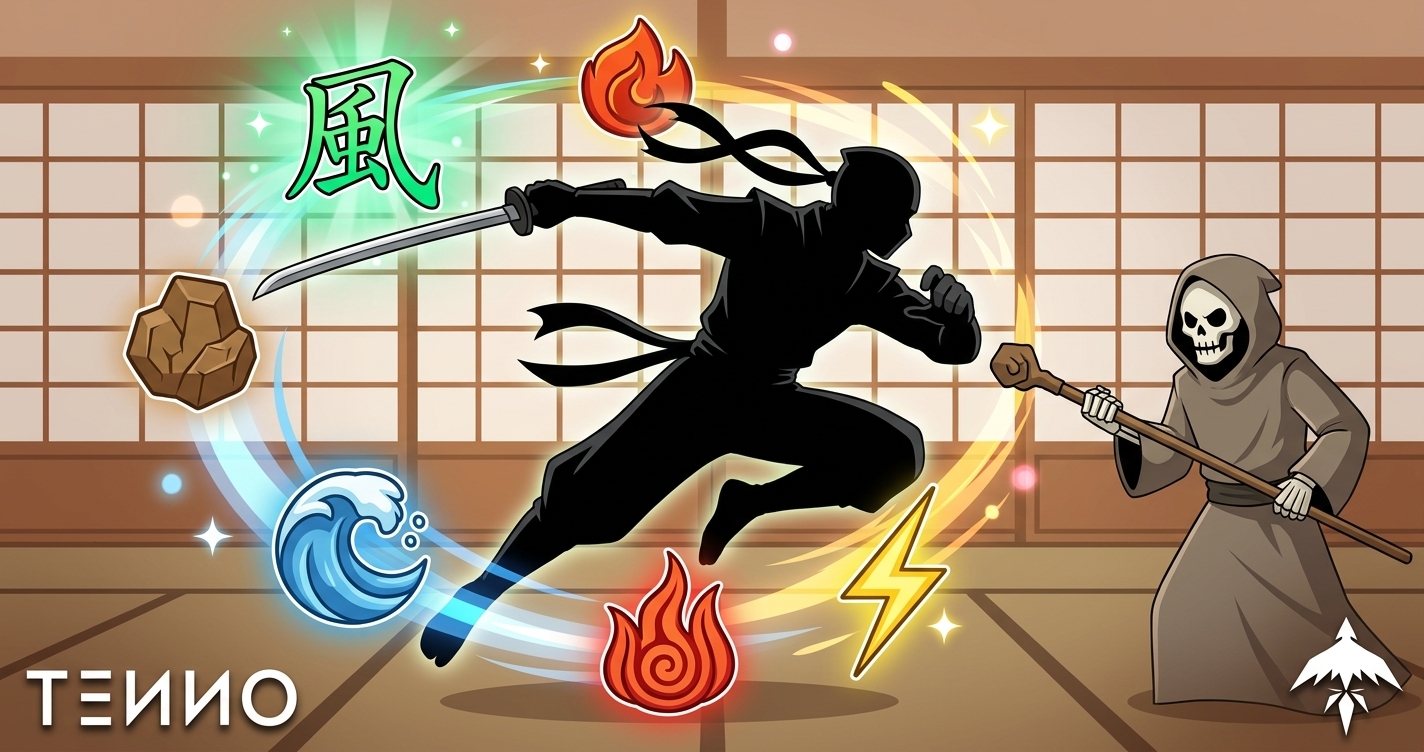
The elemental village you choose shapes your entire approach to dealing and mitigating damage. There are five distinct elements in Tenno, each carrying its own unique playstyle, stat priorities, and tactical advantages. Understanding these elemental identities is crucial for building an effective shinobi.
Fire: Raw Power and Burn
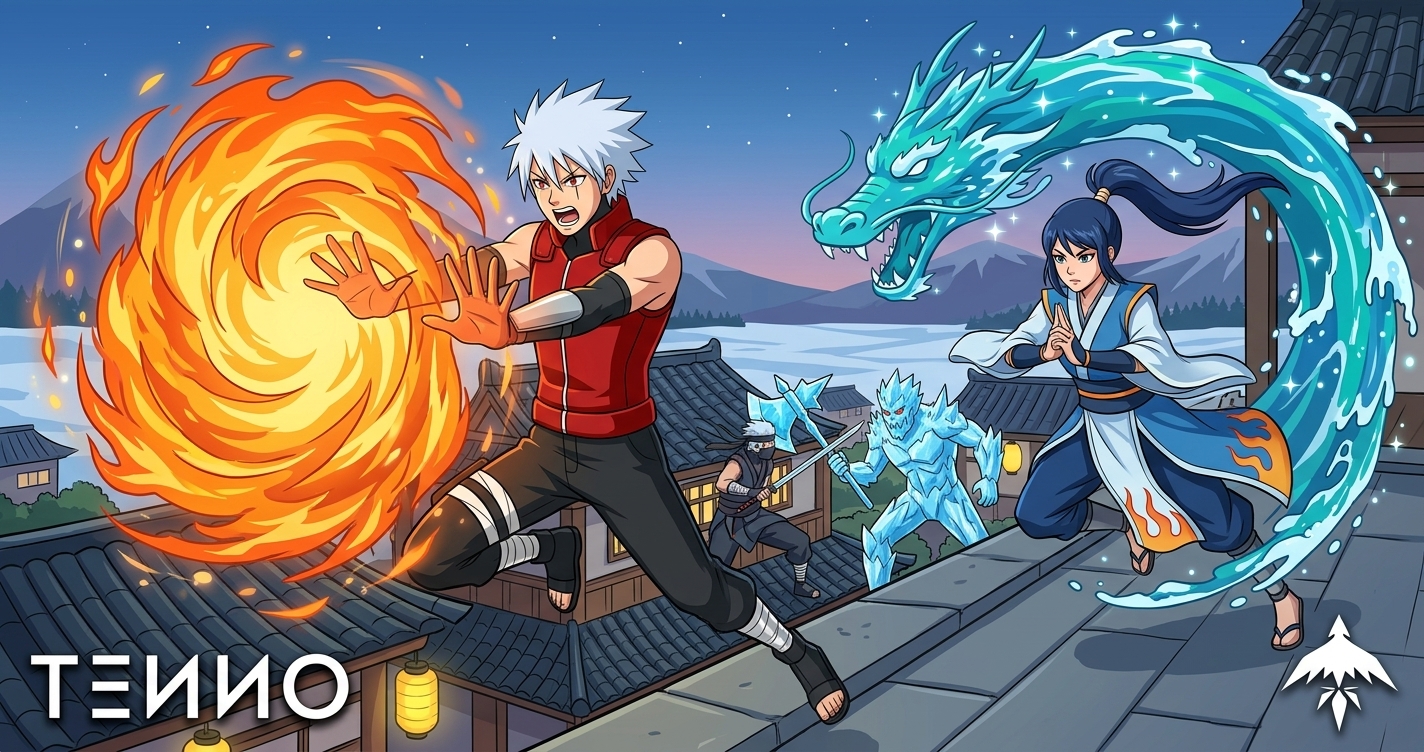
The Fire element is the epitome of offensive pressure. Shinobi who align with the Fire village focus on maximizing their raw damage output and maintaining high accuracy to ensure their attacks always find their mark. Fire techniques often apply a burning effect, which inflicts damage over time and slowly melts away the opponent's health pool. This element is perfect for players who prefer a highly aggressive, fast-paced playstyle that seeks to overwhelm the enemy before they can establish their defenses. To learn more about optimizing this fiery offensive style, check out our Fire Element Playstyle guide.
Thunder: Critical and Super Critical Hits
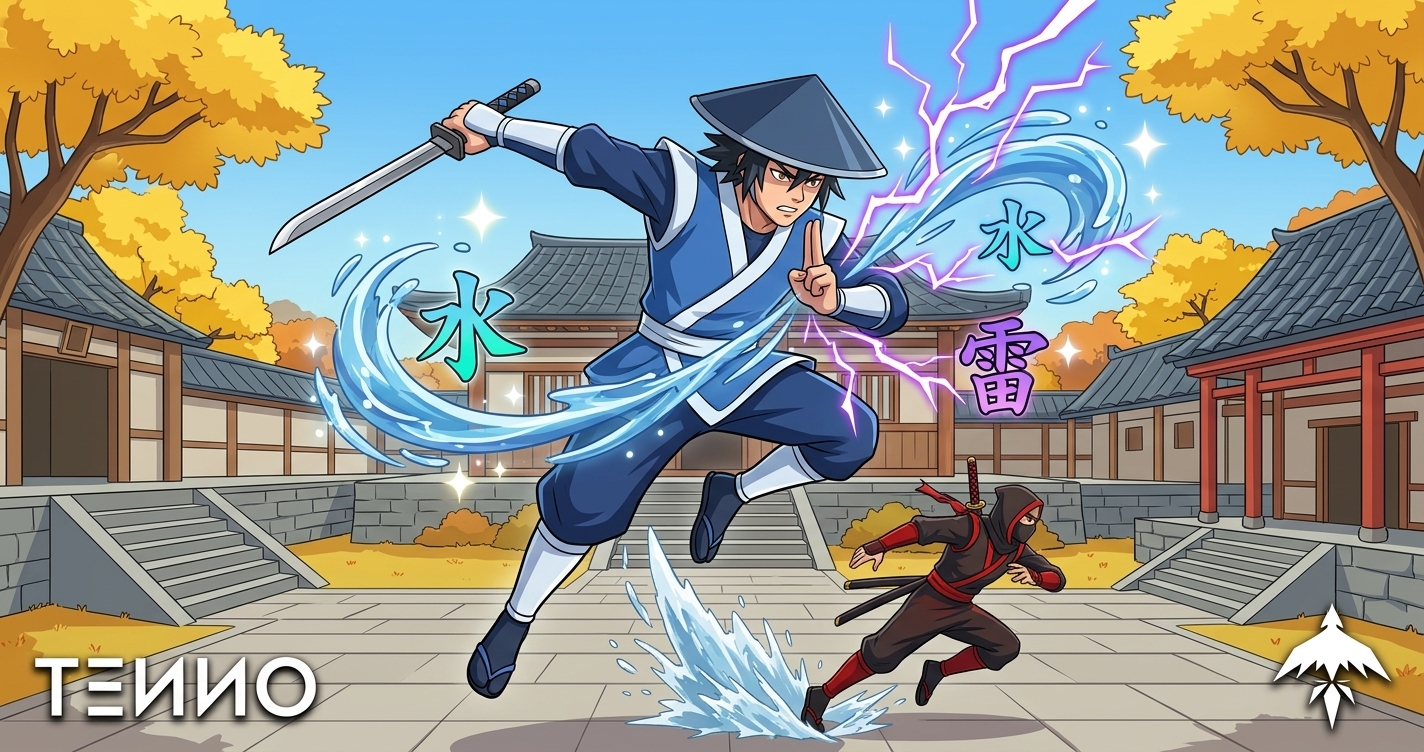
For players who favor explosive burst damage, the Thunder element is unmatched. Thunder techniques specialize in elevating your critical hit rate, allowing you to bypass standard defenses with devastating lightning attacks. In addition to standard critical strikes, Thunder users can unlock the potential for super critical hits, which deal massive, game-ending damage in a single turn. This high-risk, high-reward playstyle relies on setting up perfect windows of opportunity to strike when the enemy is most vulnerable. For a deeper look at how these massive strikes are calculated, refer to our guide on Critical and Super Critical Hits.
Wind: Speed and Evasion
The Wind element is built around agility, speed, and evasion. Rather than absorbing hits, Wind users prefer to dodge incoming attacks entirely, rendering the enemy's offensive turns completely wasted. By increasing your speed, you can take actions more frequently, allowing you to dictate the tempo of the battle. Wind damage itself is swift and cutting, chipping away at the opponent while you remain virtually untouchable.
Earth: Defense and Protection
If you prefer to outlast your opponents through sheer endurance, the Earth element offers the ultimate defensive toolkit. Earth techniques focus on boosting your defense, creating protective barriers, and increasing your resistance to negative status effects. By building a sturdy tank, you can absorb the enemy's strongest attacks and wait for them to exhaust their CP before launching a counter-offensive. Discover how to construct an impenetrable defense in our guide on Earth Element Playstyle.
Water: CP Economy and Recovery
The Water element represents adaptability, sustain, and utility. Water users excel at managing their CP economy, ensuring they always have the resources needed to cast their most powerful jutsu. Additionally, Water techniques provide excellent recovery options, allowing you to heal damage and purify negative status effects. This element is ideal for players who enjoy a control-oriented playstyle, slowly wearing down the opponent while maintaining perfect health and resource levels.
Attack vs. Defense: The Damage Equation
When an attack is launched, several factors determine the final damage output. At the most basic level, your shinobi's offensive stats are weighed against the defender's defensive stats. However, this interaction is heavily influenced by active status effects, buffs, and debuffs.
Understanding how these effects interact is key to maximizing your combat efficiency. In Tenno, there are strict canonical rules governing how status modifiers behave:
- Buffs stack with each other: If you apply multiple positive status effects to your shinobi—such as an attack boost from a Fire technique and a critical rate increase from a Thunder technique—they will stack together, allowing you to reach incredible peaks of power.
- Debuffs do NOT stack: If you attempt to apply multiple instances of the same negative status effect to an enemy, they will not stack. Instead, the duration and exact values of the active debuff will depend entirely on the specific skill that applied it. This means you must carefully coordinate your jutsu rotation to avoid wasting valuable turns overwriting existing debuffs.
To master the timing of these combat modifiers and learn how to cleanse harmful effects from your character, read our comprehensive Status Effects Guide.
Advanced Damage Modifiers and Kinjutsu
Beyond standard elemental attacks, a shinobi's arsenal is divided into three primary disciplines: Ninjutsu, Taijutsu, and Genjutsu. Each discipline interacts with damage in different ways. Ninjutsu relies heavily on elemental power and CP, Taijutsu focuses on physical strikes that often scale with your raw physical attributes, and Genjutsu manipulates the opponent's mind, frequently dealing damage indirectly or disabling the target.
As you progress and train under your village's academy, you will unlock legendary techniques known as Kinjutsu. These forbidden techniques offer unparalleled power but often come with unique conditions or high CP costs. Over time, you can upgrade these skills into their upgraded variants, known as Kinjutsu: Advanced techniques. Incorporating these high-tier skills into your loadout is the ultimate way to secure victory in high-stakes battles, whether you are challenging powerful bosses in the Hunting House or climbing the ranks of the competitive arena.
Frequently Asked Questions About Damage in Tenno
Do different buffs stack together in combat?
Yes! In Tenno, all positive buffs stack with each other. You can combine various attack, accuracy, and critical rate boosts from different skills to maximize your offensive potential during a single turn.
Can I stack multiple debuffs of the same type on an enemy?
No, debuffs do not stack with each other. If you apply a debuff to an enemy who already has that same negative effect, they will not combine. The exact duration and values of the debuff depend entirely on the specific skill that applied it.
How does the Earth element mitigate incoming damage?
The Earth element focuses on defense, protection, and debuff resistance. By utilizing Earth-aligned jutsu, you can build powerful shields and boost your defensive stats to significantly reduce the damage you take from enemy attacks.
What is the difference between Kinjutsu and Kinjutsu: Advanced?
Kinjutsu are highly powerful, legendary techniques that you can unlock as you progress. Kinjutsu: Advanced techniques are the upgraded variants of these skills, offering enhanced effects, higher damage potential, or superior utility in battle.
How do I manage my CP when using high-damage jutsu?
High-damage techniques often require a significant amount of CP to cast. To prevent running out of resources, you can utilize Water-aligned techniques to boost your CP recovery, or carefully pace your skill rotation to allow your resources to naturally regenerate over time.